How the War in the Middle East is Coming for your Wallet
On February 28, 2026, the United States and Israel launched surprise airstrikes across Iran. Within days, Iran retaliated – closing the Strait of Hormuz, one of the most critical shipping lanes in the world, and attacking U.S. military bases across the region as well as Israel. Throughout March, the conflict intensified on both sides – Hezbollah, an Iran-backed militant group in Lebanon, launched attacks on Israel, causing retaliatory attacks on Lebanon from Israel, with now more than 1,000 dead and 1,000,000 displaced in Lebanon; the Strait of Hormuz remains closed; and the idea of ground invasions has been aired.
At first, for most Americans, the conflict felt distant. The U.S. economy feels differently.
So, how have American consumers been affected by this war? First, it is important to understand what is causing the economic fallout in the U.S. The Strait of Hormuz is a narrow channel of water that sits between Iran and Oman, and as mentioned before, Iran has closed the Strait of Hormuz to most nations (some boats from certain countries deemed “friendly” by Iran have recently been allowed to pay tolls to receive safe passage; however, the number remains low). Most importantly, about 20% of the world’s supply of oil passes through the Strait. Not only were Middle Eastern politics disrupted when the strait was closed off, but about a fifth of the world’s oil supply was cut off almost overnight.
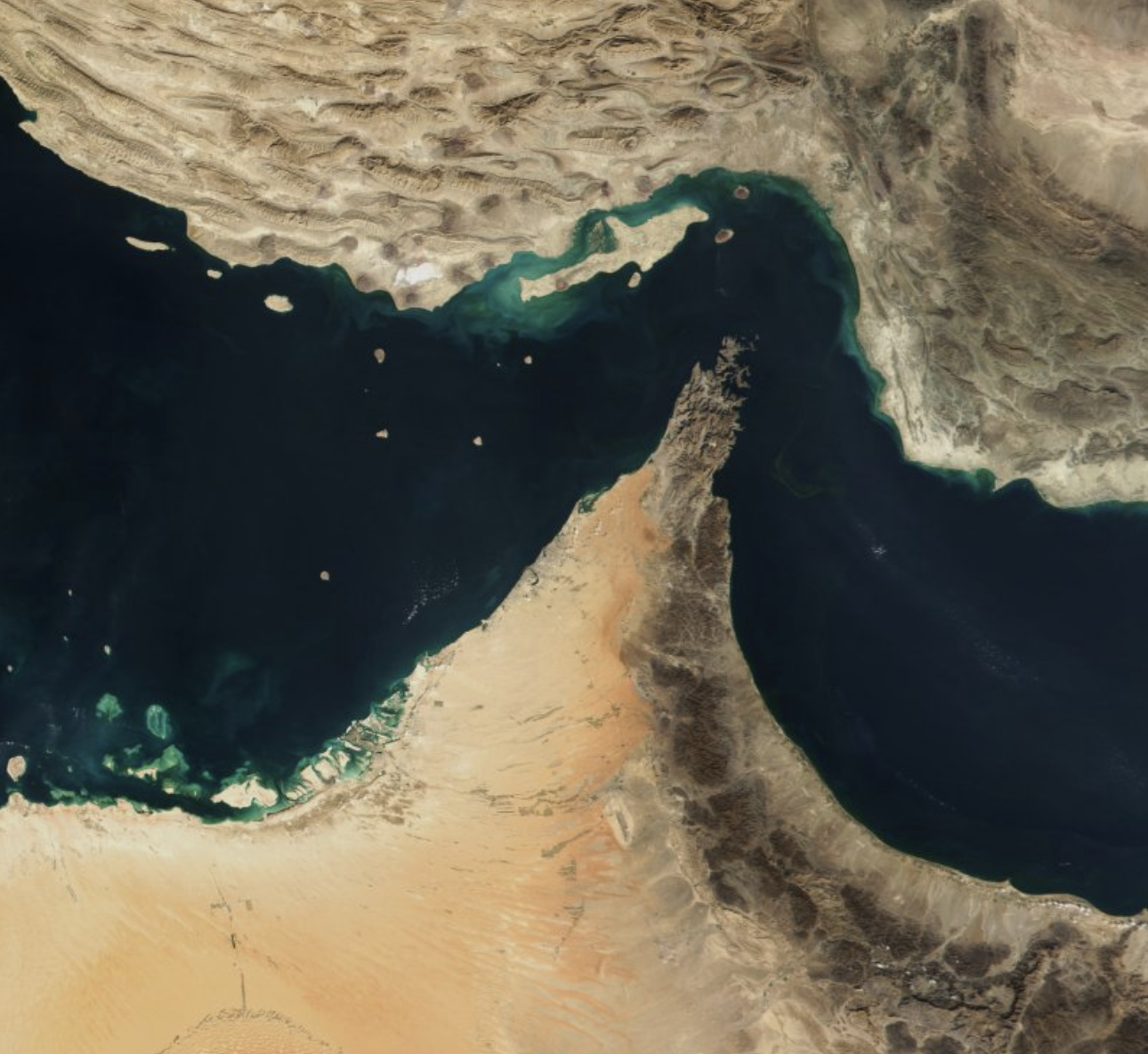
The International Energy Agency called it the largest oil supply disruption in the history of the global energy market. Oil prices surged above $100 a barrel in a matter of days – a roughly 40% spike from before the war began.
When oil prices go up, everything goes up. Gas, groceries, shipping, airline tickets, plastics, pharmaceuticals – nearly every product you can name has oil somewhere in its supply chain. Even though the U.S. leads the world in oil production, oil prices in the U.S. will be disrupted because prices are set on the global level. If there is a cut-off in any supply of oil in the world, every country’s energy markets will react because oil is a globally traded commodity, meaning that the world sets the price, not a specific country.
What does this mean for American consumers right now? The most immediate effect is the increase in gas prices. National average gasoline prices have reached $4.00 a gallon for the first time in three years.
However, it does not stop at gas. Goldman Sachs{¹} estimates that disruptions to fertilizer supplies from the Gulf region – key ingredients such as urea and ammonia – could push U.S. food prices up by roughly 1.5% this year alone.
Because jet fuel prices have soared, airlines are hiking ticket prices and adding extra costs to travel. United Airlines has already increased its baggage fee by $10 to offset increased operating costs. Even the U.S. Postal Service has imposed a temporary 8% postage surcharge to offset increased transportation costs.
How is the U.S. faring against the rest of the world? The ugly truth is this: while the U.S. is hurting, much of the rest of the world is hurting even more from the closure of the Strait of Hormuz. The European Union had already cut itself off from most Russian oil imports after the Russian invasion of Ukraine. It then pivoted to liquified natural gas from Qatar; however, this option is no longer available after an Iranian drone strike in early March.
Asia is hurting the most. Most Asian countries, such as Japan, India, and the Philippines, heavily rely on oil from the Gulf region, which exposes them to significant risks. However, most tankers that Iran is allowing passage to with a toll fly under Asian flags that heavily rely on oil exported through the Strait of Hormuz.
The bottom line is that the war in the Middle East is not just a foreign policy story. It is an energy concern, a supply chain issue, and an inconvenience in the everyday lives of American consumers.
Whether this war leads to a full recession depends primarily on two factors: how long the Strait of Hormuz remains closed and how long oil prices remain elevated. Every day this war drags on, American consumers and businesses bear the brunt of increasing pressure.
